


What exactly is logo design and branding?
Check on your logo and brand influence:
1. Is It Audience Appropriate?
2. Keep it Simple

3. Keep It Clear
Don’t lose the meaning and integrity of a good clear graphic logo by applying special effects such as drop shadows, beveling or patterns. Subtle effects can quickly be lost or distorted across devices and platforms and can reduce the effectiveness of an otherwise fine logo design. Use other areas of your branding to expand on styling.
4. Color Moves Emotion
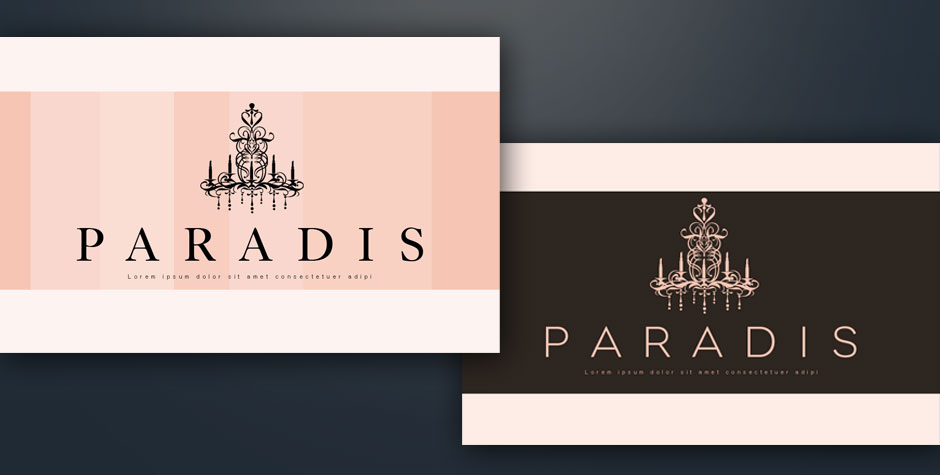
All colors carry meaning and create an immediate impression of your brand. For example, for a feeling of fun and energy, use orange and yellow, or to inspire trust and authority, use blue and gray. Color intensity can also convey meaning, with soft pastel shades traditionally being chosen in the beauty and health industries with neon colors picked by brands that want to make a bold impression. Flat color blocks will be more visually effective than subtle shading and grading effects.
5. Make It Functional
Your logo design needs to work in a variety of different medias and dimensions. It should withstand being blown up to billboard proportions and yet agile enough to still look great if squeezed into a tiny social media box. A professional vector graphic design of your logo will scale properly where a non-scalable graphic file becomes distorted when resized. Similarly, lots of fine text and detail will quickly make a logo illegible when shrunk to fit small dimensions. We want it to be flexible and look great at any size.
6. Brand Protection
After much time, research and hard work have gone into to create a logo design, take care to protect it, to keep it by taking the time to write up brand guidelines that instruct anyone working with your logo, to know how to use your logo. Guidelines can include the exact colors (CYMK or RGB details), the scale and bordering white-spacing surrounding each element of the logo design, including the use of any tag-line and branding you have.


This site really breaks down gameplay mechanics in a way that makes you rethink strategy. For a deep dive into AI-powered insights, check out the AI Analytics Assistant-it’s a game-changer for optimizing workflows.
Excellent insights on brand identity! Just as strategic color psychology drives corporate recognition, the 2jl link demonstrates how consistent visual elements across platforms create powerful user engagement. Strong branding truly is the cornerstone of business success.
Interesting read! The focus on localized payment options like GCash & PayMaya at bigwin casino slot download is smart for the Philippine market. RNG analysis is key to fair play, of course – vital for trust!
Had no problem logging into lucky91login! Super straight forward process. Games are fun to play on there too. Get after it: lucky91login
I’ve been checking 92pkr1 lately, seems like they’re having a lot of good offers and deals. Haven’t won big yet, but I’m having some fun, so no complaints from me. Get your game on at 92pkr1
Slotspkr is the spot for slots! Tons of different games, and they’re always adding new ones. Great bonuses too. Spin to win, check it out at: slotspkr
Really interesting points! Seeing platforms like boss77 game prioritize quick, localized payments (like GCash!) is huge for accessibility. It’s about seamless experience, not just games, right? Solid analysis here!
Wow, cái cách họ tối ưu hóa trải nghiệm trên di động này đỉnh thật! Cảm giác chiến thuật được hỗ trợ liên tục qua 555bl app casino khiến mình càng muốn thử các ván bài tốc độ cao ngay. Quá phấn khích!
Honestly, the mobile focus on ibeth is smart. Keep an eye on the UX details, but for quick access, check out ibeth slot download. It feels reliable, just remember to bet responsibly!
Really impressed with the user interface. Everything is where it should be and the games run without any glitches. Keep it up! phjilino2
Honestly, the depth in this risk breakdown is unexpected. It makes me reconsider the hype around platforms like this. Still, for a quick look, checking casib apk seems like a starting point for due diligence. Very thorough analysis!
It’s easy to get carried away with online gaming, so responsible play is key! Seeing platforms like win2max com prioritize fast payouts & RTP is good, but remember to set limits & treat it as entertainment, not income. 😉
Finally found a platform that doesn’t lag during peak hours. The registration process was a breeze and I was able to start playing in minutes. Give winevo a try!
Honestly, the depth of analysis here is surprisingly solid; most blogs skim the surface. I appreciate the caution regarding responsible play, especially with something like 7u7i payment methods. It keeps things grounded, which is what you need in this space.
Honestly, the variety mentioned sounds tempting, but always check the fine print on security. Don’t just trust the interface; vetting processes matter. For a deeper dive on platform safety, check out tbjee. Stay vigilant!
The app version is a game changer. I can play anywhere and the connection is always stable. fafa855app makes gaming so much more convenient.
Best app experience I have had in a while. It is fast, intuitive, and the selection of games is massive. Perfect for playing on the go. 80gamesappvip